Where in other industries, innovation is a competitive edge, in the SaaS niche, it is the very prerequisite for survival. Hence its only natural that some of the most innovative campaigns should be ones designed and executed by SaaS companies.
Fortunately for new entrants, seeking inspiration, they do not need to look outside their own category. The SaaS industry offers no shortage of campaigns that demonstrate remarkable results that are also scalable.
Here are ten of the best SaaS marketing campaigns that are worth copying if you want remarkable results. As opposed to what you might fear, these campaigns aren’t complex at all. They all are simple, repeatable and practical.
Key Takeaways
- Incentivize sharing and referrals when they align naturally with product value.
- Use freemium or product-led growth to reduce adoption friction.
- Use content and social proof to build authority and trust over time.
- Combine targeted ads with community engagement to scale sustainably.
1. Dropbox’s Referral Program (2008-2010)
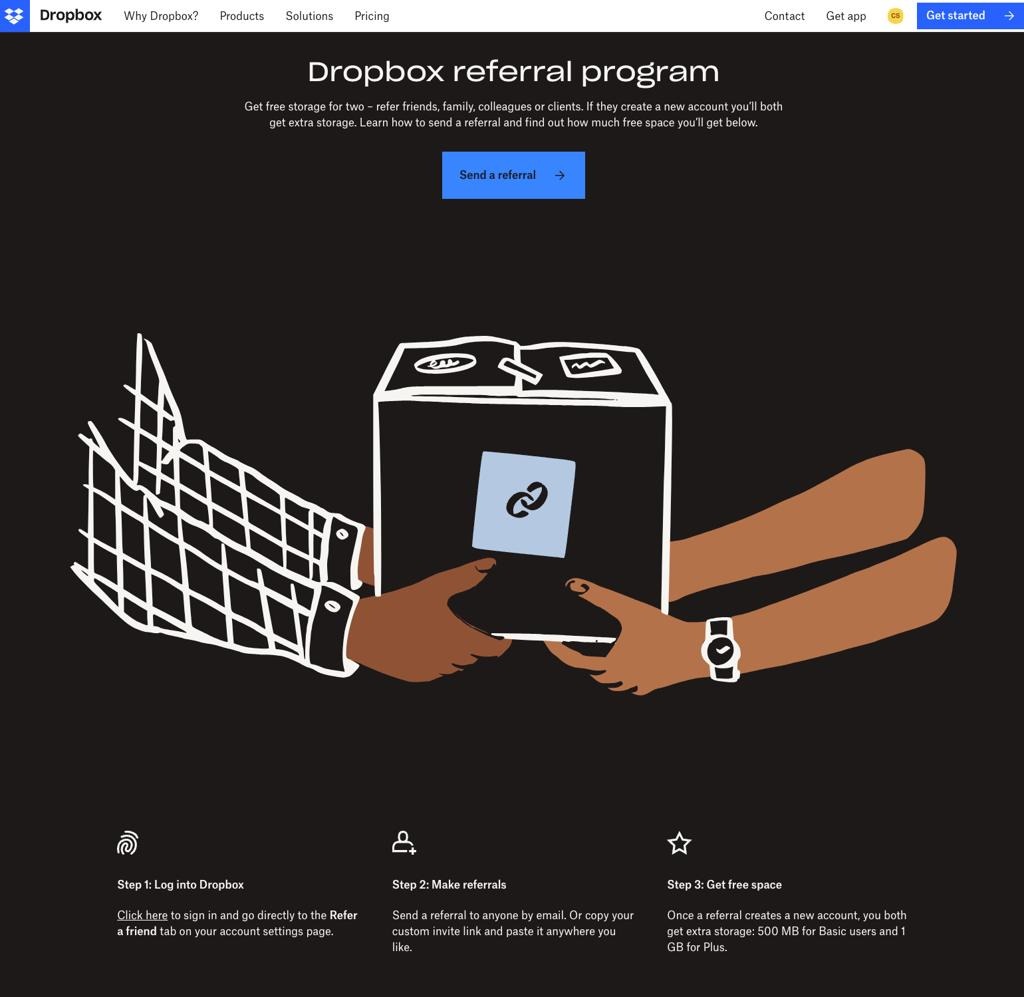
Launched in 2008, Dropbox faced a crowded storage market with established players spending heavily on paid acquisition. The situation necessitated finding a less competitive and financially draining way of acquiring customers. Thankfully, Dropbox had the answer!
Dropbox introduced a two-sided referral incentive. Referrers earned 500MB per successful signup (up to 16GB), while new users immediately received an extra 250MB. This created a compounding value exchange that felt transactional rather than promotional.
Why it worked
The incentive aligned perfectly with the product’s core constraint which was storage scarcity. Unlike cash rewards or discounts, additional storage was both zero-cost to provide and infinitely desirable to users already invested in the platform. The K-factor (viral coefficient) reached 0.4-0.6, meaning every 10 users brought 4-6 new users organically.
The Results
Permanent signup rate increased from 2.8M to 4M users in 15 months, achieving a 60% boost with near-zero marginal cost. The referral program accounted for 35% of daily signups at its peak.
Who should use this approach?
Usage-based SaaS, productivity tools, storage/capacity products Medium fit for: Collaboration tools with team dynamics Low fit for: Highly specialized vertical SaaS, compliance-heavy industries where viral spread is restricted
| Metric | Performance |
| Referral Reward | 500MB free storage |
| Viral Coefficient | 0.4–0.6 |
| Signup Growth | 2.8M → 4M users |
| Referral Contribution | 35% of daily signups |
2. Slack’s Viral Product Launch (2014)
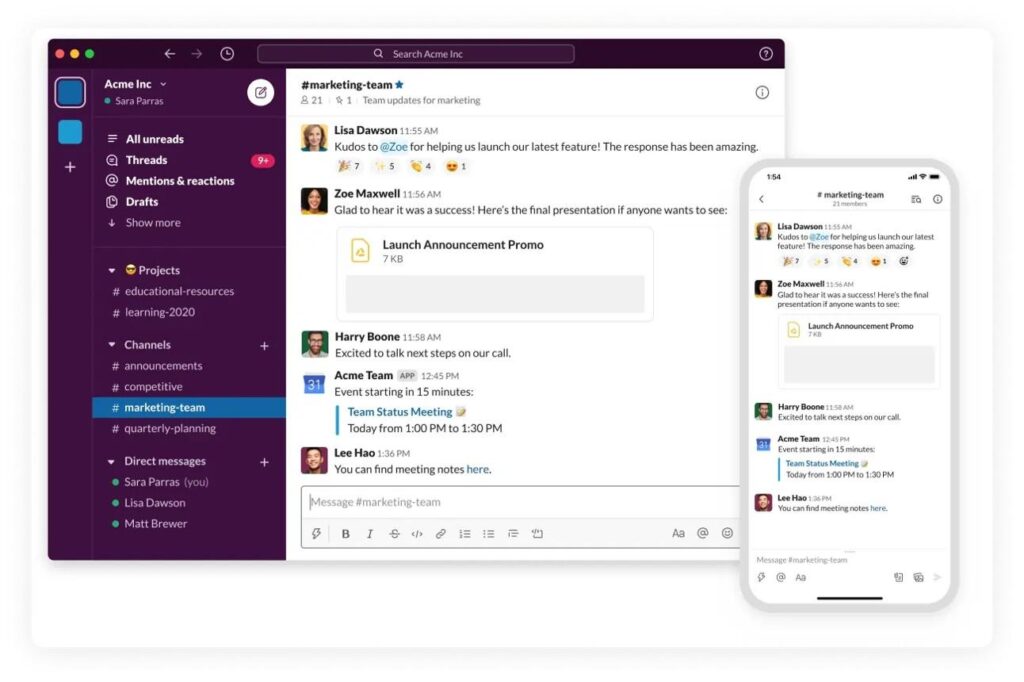
In 2014 after an 8-month beta testing, Slack had 15,000 daily active users. Then, the enterprise communication market was dominated by email and legacy systems like Microsoft Lync.
Slack employed a bottom-up SaaS adoption model with three pillars:
- invitation-only beta usage, creating artificial scarcity
- team-based viral loops where one user’s adoption pulled entire departments
- frictionless onboarding delivering value in under 2 minutes
Why it worked
Slack solved a simple problem which was the cognitive overhead of switching between email, chat, and project tools. The product’s real-time responsiveness and searchable history created immediate dopamine loops. More critically, Slack’s team structure meant one advocate could multiply into 10-50 users within days.
The impact
The company achieved a 30% month-over-month growth rate with paid marketing representing less than 1% of customer acquisition.
When does this approach work?
This works when your product has inherent network effects and when individual users have authority to introduce tools into their workplace without procurement friction. Less effective for products requiring executive buy-in or complex implementation.
| Strategy Element | Impact |
| Invitation-only beta | Created exclusivity |
| Fast onboarding | Improved activation |
| Team collaboration | Increased viral adoption |
| Searchable communication | Higher engagement |
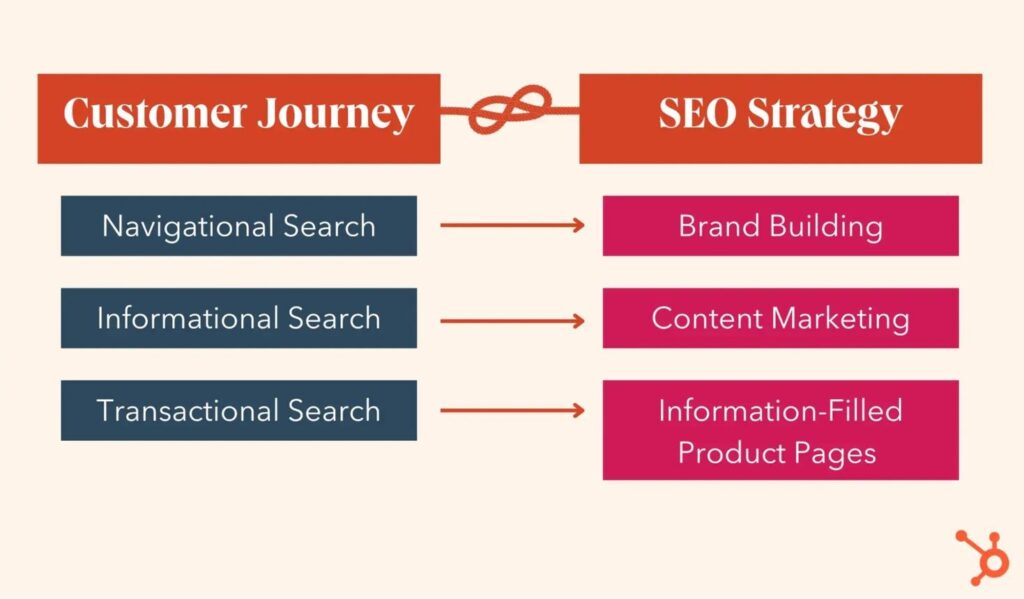
3. HubSpot’s Inbound Marketing Content (2006-Present)
Founded in 2006 when “inbound marketing” didn’t exist as a term. Traditional marketing was interruption-based (cold calls, ads), and small businesses lacked accessible marketing education.
HubSpot created the category itself through prolific content production: 4-5 blog posts daily, comprehensive ebooks, free certification programs, tools like Website Grader, and the Marketing Grading app. They documented and systematized inbound methodology, then gave it away freely.
Why it worked
By educating their market before selling to it, HubSpot established category authority. When businesses decided they needed marketing automation, HubSpot was already their trusted advisor. The content served dual purposes: SEO-driven lead generation and sales enablement through educated prospects.
The Result
Organic traffic became their primary acquisition channel, generating 4.5 million monthly blog visits by 2014. Customer acquisition cost dropped while customer quality increased. Educated leads converted 5-10x better than cold prospects.
Who should use this approach?
Best for complex SaaS solving emerging problems where buyer education is necessary. Less suitable for commodity products or markets with established purchase patterns.
| Content Type | SEO Purpose |
| Blog posts | Organic traffic |
| Free certifications | Brand authority |
| Marketing tools | Lead generation |
| Ebooks | Lead nurturing |
4. Product-Led Approach to Growth by Zoom (2013-2020)
Zoom was Launched in 2013 into a market where video conferencing was synonymous with frustration. Competitors like Skype, WebEx, and GoToMeeting suffered from reliability issues, complex setup, and poor user experience.
The Strategy
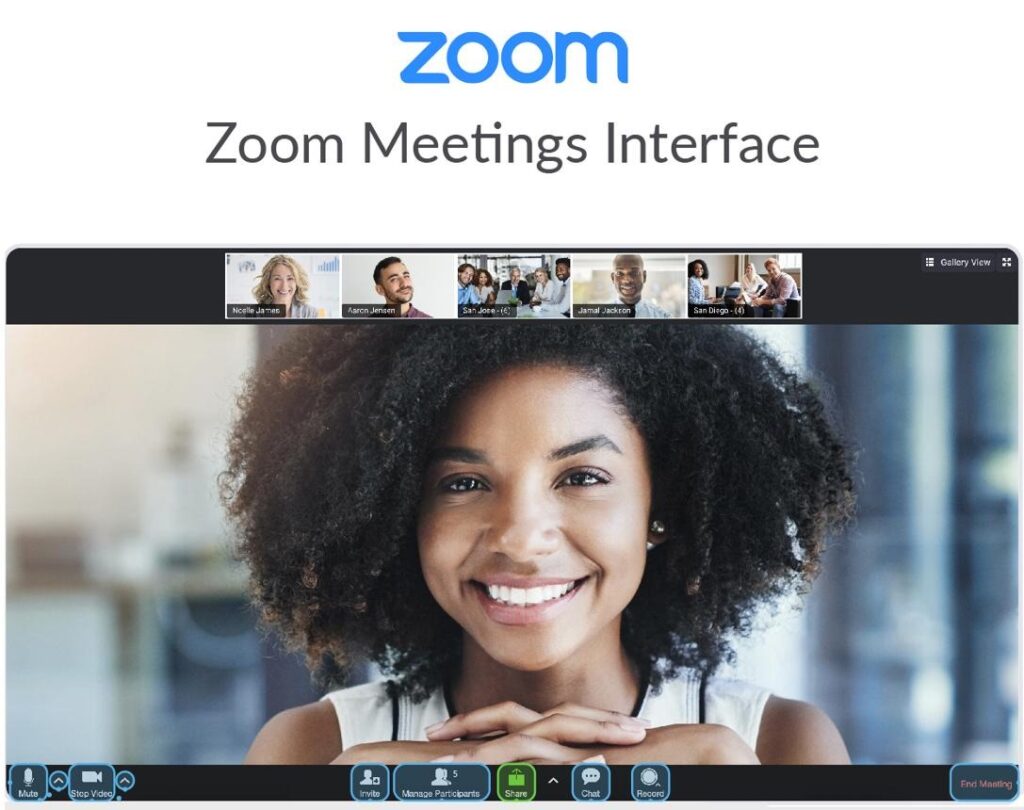
Zoom implemented a frictionless freemium model: unlimited 1-on-1 meetings, 40-minute group calls, zero plugins or downloads for participants, and obsessive focus on connection reliability (99.99% uptime SLA). Free users became evangelists because the product simply worked.
Why it worked
Zoom eliminated the “technical friction tax” that plagued video calls. Meeting participants didn’t need accounts. One click and they were in. This meant every free user was a walking advertisement to potential customers who experienced the product firsthand as guests.
Result
10 million daily meeting participants in December 2019 exploded to 300 million by April 2020. Revenue grew 326% year-over-year in Q1 2020. Net dollar expansion rate exceeded 130%, meaning existing customers increased spending by 30% annually.
When does this approach work best?
Works for products where free usage creates genuine value and where upgrade triggers are organic and obvious. Requires engineering excellence and operational efficiency to serve free users profitably.
| Feature | Benefit |
| Free meetings | Reduced adoption friction |
| One-click access | Better user experience |
| Reliable connectivity | Higher retention |
| No downloads required | Easier participation |
5. Canva’s Community-Driven Marketing (2013-Present)
Launched in 2013 targeting the 99% of people who needed design but couldn’t use Photoshop. Democratizing design required making users feel capable, not just providing tools.
Canva built user-generated marketing into the product DNA:
- templates with “Made with Canva” watermarks on free tier
- social sharing buttons integrated into export flow
- community design challenges and creator partnerships
- public design portfolio features
Why it worked
Every design shared on social media was a product demonstration. Unlike logos or branded content, the quality of user output served as proof of Canva’s capabilities. The template marketplace created a creator economy, turning power users into stakeholders with incentive to promote the platform.
Result
100 million monthly active users by 2023, with 90% of Fortune 500 companies using Canva. User-generated content created 15-20% of new signups through organic sharing and watermarked designs.
What products does this approach work for?
Highly effective for creative tools, presentation software, or products where outputs are naturally shared. Less applicable to backend tools, data analysis, or products with confidential outputs.
| Community Feature | Growth Benefit |
| Shareable templates | Organic exposure |
| Creator marketplace | User engagement |
| Social integrations | Viral distribution |
| Watermarked exports | Brand visibility |
6. Mailchimp’s Educational Campaigns (2001-Present)
Founded in 2001 when email marketing was associated with spam and small businesses lacked both knowledge and confidence to execute campaigns. Trust deficit was the primary barrier.
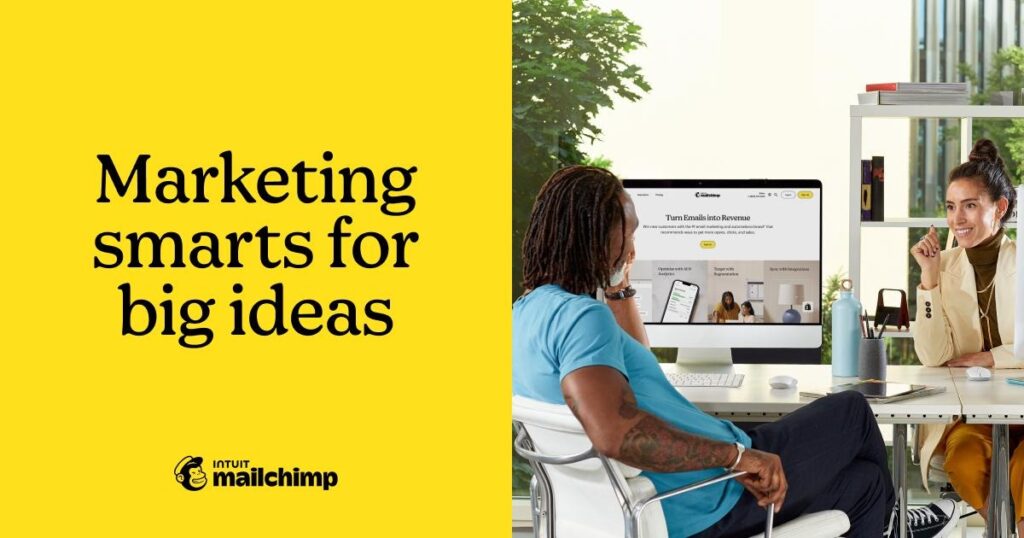
Mailchimp built a trust-first content engine: comprehensive email marketing guides, deliverability best practices, compliance education (CAN-SPAM, GDPR), creative inspiration galleries, and honest discussions of email marketing limitations. Content focused on making users successful, not just selling features.
Why it worked
By openly addressing user anxieties (deliverability, spam complaints, list quality), Mailchimp positioned itself as advisor rather than vendor. The educational content reduced support burden while increasing product stickiness. Educated users extracted more value and churned less.
Result
Achieved 12 million users with 99% coming through non-paid channels. Customer lifetime value increased 40% among users who engaged with educational content. The guide library generated 4 million annual organic visits.
Applicability Assessment
Essential for products in regulated industries, complex technical domains, or categories with high user anxiety. Less necessary for simple, intuitive products with low consequences of failure.
| Educational Asset | Purpose |
| Email marketing guides | User education |
| Compliance tutorials | Trust building |
| Deliverability resources | Reduce anxiety |
| Inspiration galleries | Customer success |
7. Targeted LinkedIn Ads by Asana (2012-Present)
Project management software faced a crowded market, but enterprise buyers had specific pain points around visibility, accountability, and cross-functional coordination.
Strategy
Asana ran persona-specific campaigns on LinkedIn targeting directors of operations, project management office leads, and engineering managers with messaging customized to role-specific problems. Campaigns used LinkedIn’s job title, seniority, and company size targeting to reach decision-makers with budget authority.
Why it worked
Rather than broad “productivity” messaging, ads spoke directly to the operational chaos each role experienced: “Finally, visibility into every project without another status meeting” for directors, or “Ship faster without technical debt from miscommunication” for engineering leads. The specificity demonstrated product understanding and created pattern recognition.
Result
Customer acquisition cost for enterprise deals dropped 35% compared to general campaigns. Lead-to-customer conversion rate reached 12% for targeted campaigns versus 3% for broad campaigns. Sales cycle shortened by 23% due to more qualified, educated leads.
Who should use this approach?
Most effective for B2B SaaS with clear enterprise buyer personas and deal sizes justifying LinkedIn’s higher CPC ($8-12 vs $1-3 on other platforms). Less suitable for prosumer products or consumer-grade SaaS.
| Target Audience | Messaging Focus |
| Operations Managers | Workflow visibility |
| Engineering Leaders | Faster collaboration |
| Enterprise Teams | Accountability |
| Executives | Productivity optimization |
8. Grammarly’s Freemium and Word-of-Mouth (2009-Present)
Writing assistance tools existed but required manual copy-paste workflows. Grammarly needed to become embedded in writing workflows across platforms.
Strategy
Grammarly deployed a ubiquity strategy: free browser extensions, in-app contextual upgrade prompts showing premium value (“You’ve made 47 advanced errors this month that premium would catch”), and platform-agnostic presence (email, docs, social media). The free product was genuinely useful, not artificially limited.
Why it worked
By making the free tier legitimately valuable, Grammarly removed the “freemium skepticism” problem. Upgrade prompts appeared at moments of realized need such as, after the user made an error that premium would have caught. The browser extension became part of users’ writing routine, creating habitual dependence.
Result
30 million daily active users with 20% conversion to paid tiers (exceptional for freemium). Average revenue per user reached $50 annually. Paid marketing represented under 15% of customer acquisition, with word-of-mouth and organic search dominating.
For whom is this approach applicable?
Works for products used daily or weekly where free users generate data insights that justify premium upgrades. Less effective for infrequent-use products or where free/paid distinction feels arbitrary.
| Freemium Element | Growth Impact |
| Browser extension | Daily product usage |
| Real-time suggestions | Habit formation |
| Upgrade prompts | Higher conversion |
| Multi-platform support | Wider adoption |
9. Zendesk’s Customer Stories Campaign (2007-Present)
Customer service software purchasing involves long sales cycles, multiple stakeholders, and high perceived implementation risk, especially for enterprise buyers comparing 5-7 vendors.
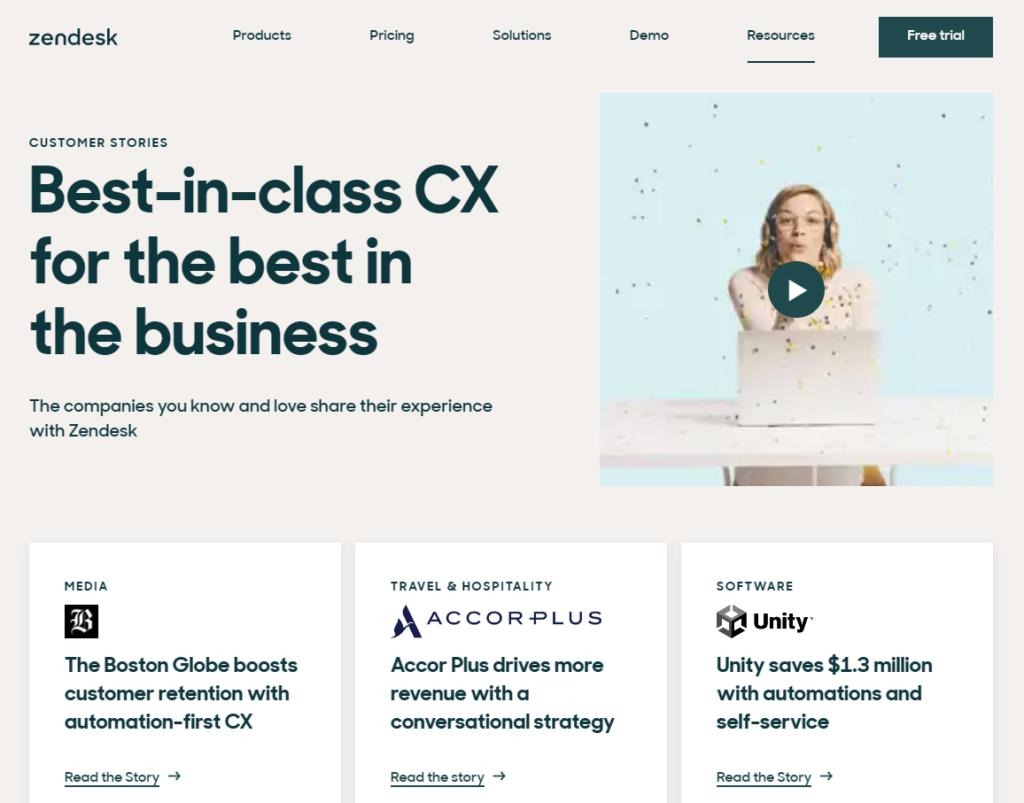
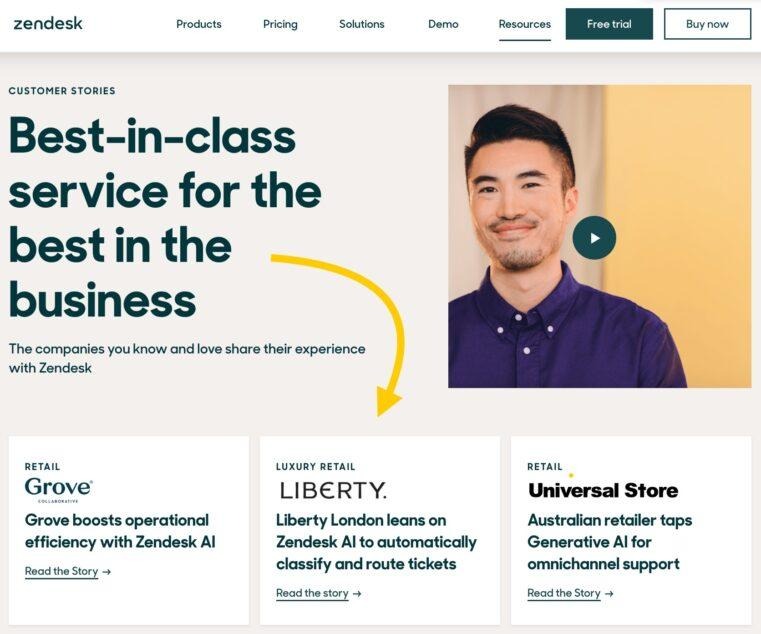
Zendesk created an evidence-based selling library: detailed case studies showing industry-specific metrics (ticket resolution time, CSAT scores, agent efficiency), video testimonials from peer companies, and ROI calculators based on real customer data. Stories were categorized by industry, company size, and use case.
Why it worked
Enterprise buyers don’t trust vendor claims. They trust peer experiences. By documenting quantified outcomes from similar companies, Zendesk reduced perceived risk and provided internal champions with ammunition for stakeholder buy-in. The specificity (e.g., “Shopify reduced ticket resolution time 33% in 90 days”) created credible benchmarks.
Result
Sales cycle for enterprise deals shortened from 6-8 months to 3-5 months. Win rate against competitors increased 28% when prospects engaged with relevant case studies. Customer acquisition cost decreased 19% due to higher close rates.
Who should use this approach?
Essential for enterprise B2B SaaS with 5-figure+ ACVs and complex sales cycles. Less critical for self-serve products or low-stakes purchases where buying decisions are individual and reversible.
| Metric | Outcome |
| Enterprise Sales Cycle | Reduced to 3–5 months |
| Win Rate | Increased by 28% |
| Customer Acquisition Cost | Reduced by 19% |
| Buyer Confidence | Significantly improved |
10. Dropbox Paper’s Product Announcement Campaign (2015-2016)
Launched Paper in 2015 when Dropbox was primarily known for storage. The collaboration tools market was fragmenting with Notion, Confluence, Google Docs competing for mindshare.
Strategy
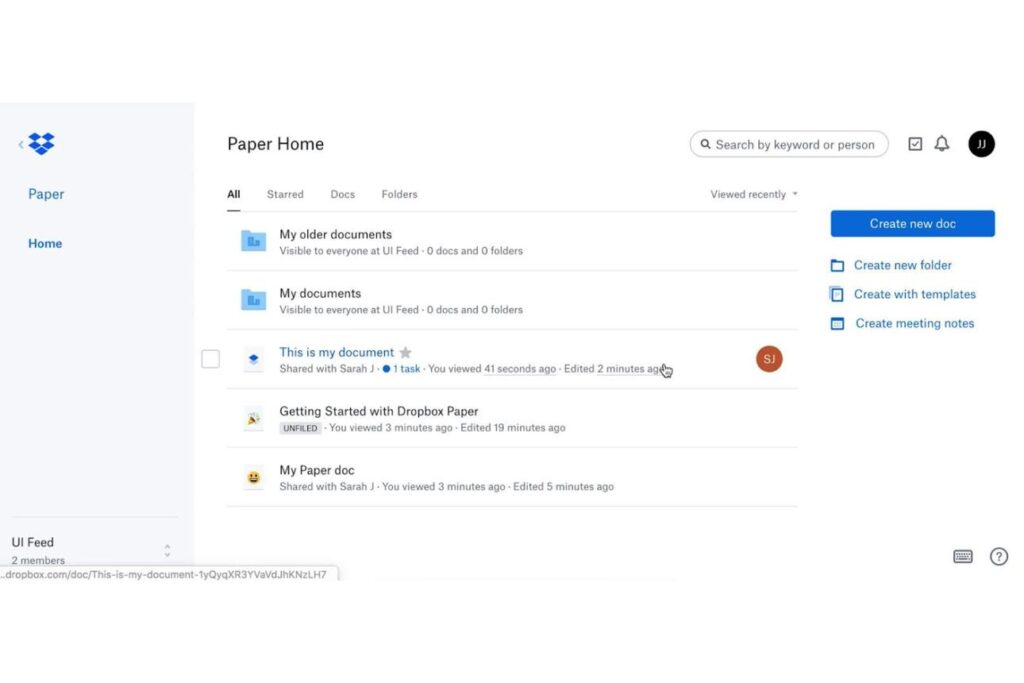
Dropbox positioned Paper as a collaboration unifier rather than another document tool. The campaign highlighted integration with existing Dropbox content, real-time editing without version confusion, and task management embedded in documents. Messaging focused on reducing tool sprawl rather than adding features.
Why it worked
Rather than competing on features, Dropbox leveraged its existing user base (500M+ users) by framing Paper as the missing collaboration layer for content already in Dropbox. The campaign emphasized workflow continuity with documents and files in a single collaborative ecosystem.
The Result
Paper reached 5 million users within the first 18 months, with 70% coming from existing Dropbox users. Adoption increased overall Dropbox engagement by 23% and reduced churn by 11% among Paper users. Cross-product usage became a retention moat.
For whom is this approach applicable?
Works for established platforms with millions of users looking to expand product offerings. Not applicable for early-stage companies without existing distribution advantage.
| Expansion Metric | Performance |
| Users Acquired | 5M in 18 months |
| Existing User Adoption | 70% |
| Platform Engagement | Increased by 23% |
| Customer Churn | Reduced by 11% |
Framework: Choosing the Right Strategy
The most effective marketing campaigns don’t feel like marketing at all. They feel like natural extensions of product experience, user behavior, and value realization. When users can’t distinguish between “using the product” and “marketing the product,” you’ve achieved sustainable growth.
For Early-Stage SaaS (Pre-PMF)
Focus on Slack/Zoom model. Product-led growth with minimal friction. Your product must be 10x better at one thing than attempting broad feature parity.
For Growth-Stage SaaS (PMF, Scaling)
Layer multiple approaches: referral programs (Dropbox), content marketing (HubSpot), and targeted paid acquisition (Asana). Diversification reduces channel dependency.
For Mature SaaS (Market Leader)
Invest in category creation (HubSpot), customer evidence (Zendesk), and ecosystem expansion (Dropbox Paper). Maintain leadership through authority rather than aggressive acquisition.
The Truth Every SaaS Business Must Confront
The key lesson from successful SaaS campaigns is not to copy short-term tactics that happen to generate impressive results
The reliable path to sustainable marketing success requires implementing marketing frameworks across digital channels.
If a company lacks inhouse expertise, then partnering with a SaaS content marketing agency is the best option. The experts implement and optimize your SaaS marketing funnel to raise traffic, increase MQLs and ultimately drive more conversions.
This steady framework, alongside impactful ideas from these campaigns is the right mix, that keep SaaS brands on consistent growth trajectory.

Final Words
Successful SaaS marketing is not about louder messaging or bigger ad spends. It is about alignment between product, user intent, and long-term value creation.
The campaigns discussed here succeeded because they respected how SaaS businesses actually grow: through trust, usability, and sustained engagement.
As competition intensifies, SaaS companies that treat marketing as a strategic growth engine not a supporting function will be the ones that endure.
For businesses looking to scale faster, its best to partner with a specialized SaaS digital marketing agency to implement strategies that bring results.
The Hyperminds is one such agency. With proven experience in SaaS marketing and growth strategies, our experts can help you build scalable digital marketing systems focused on sustainable growth.
FAQs
How do SaaS companies measure campaign success?
Common metrics to measure true impact of a campaign include customer acquisition cost (CAC), lifetime value (LTV), activation rates, churn, expansion revenue, and conversion from free to paid plans.
Can small SaaS companies replicate these campaigns?
Yes, but picking the right benchmark is key. Replicate a campaign from a brand with similar product and/or audience. Small SaaS teams can adopt the principles, freemium access, niche content, focused referrals, and targeted ads, without large budgets.
What are the best practices for designing effective SaaS marketing campaigns?
To design SaaS campaigns that perform, plan the campaign around how customers discover, try, trust, adopt, and expand their use of the product. Reduce friction, provide genuine value, target the right audience, build trust with evidence, and choose channels and tactics that fit the product and growth stage.
Which SaaS campaigns generated the highest user growth?
Referral-driven and product-led campaigns, such as Dropbox, Slack, Zoom, and Grammarly, produced the most rapid and scalable growth.